

Foundation Repair
Let's find out what that crack is telling you
The Dwyer Company handles foundation and basement wall crack repair, so water stays out and the wall stays solid. A new crack in your basement wall is easy to worry about. That’s why we start with a free inspection. You’ll get a clear written estimate, with no obligation and no pressure. We bring over 50 years of experience to homes across Cincinnati, Dayton, Lexington, Louisville, Northern Kentucky and Southern Indiana.
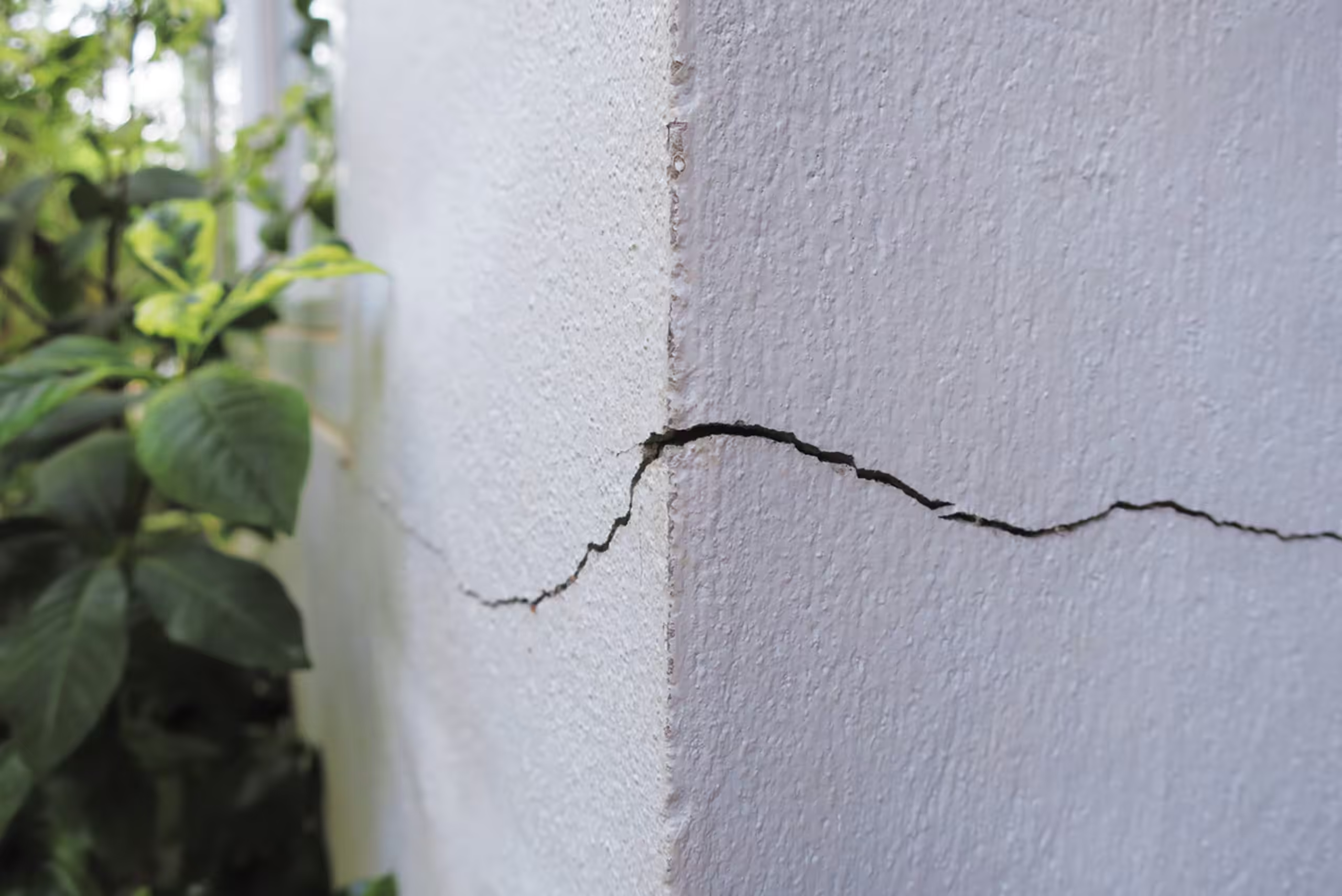
Common foundation cracks and what they mean
- Thin vertical crack in a poured wall: usually from concrete shrinking as it cured. Injection seals it.
- A leaking basement crack: water has found a path through the wall. Injection stops it. If water shows up in several spots, see basement waterproofing.
- Stair-step crack in a block wall: usually a sign of settlement. See foundation repair.
- Horizontal crack along a basement wall: often soil pushing on the wall, which calls for stabilization along with sealing.
- Diagonal crack at a corner: one part of the foundation has likely settled more than another.
- Drywall cracks above doors or windows: these often follow movement in the foundation below.
One crack on its own is rarely an emergency. A free inspection tells you whether it needs a repair or just some monitoring.
How Dwyer repairs foundation cracks
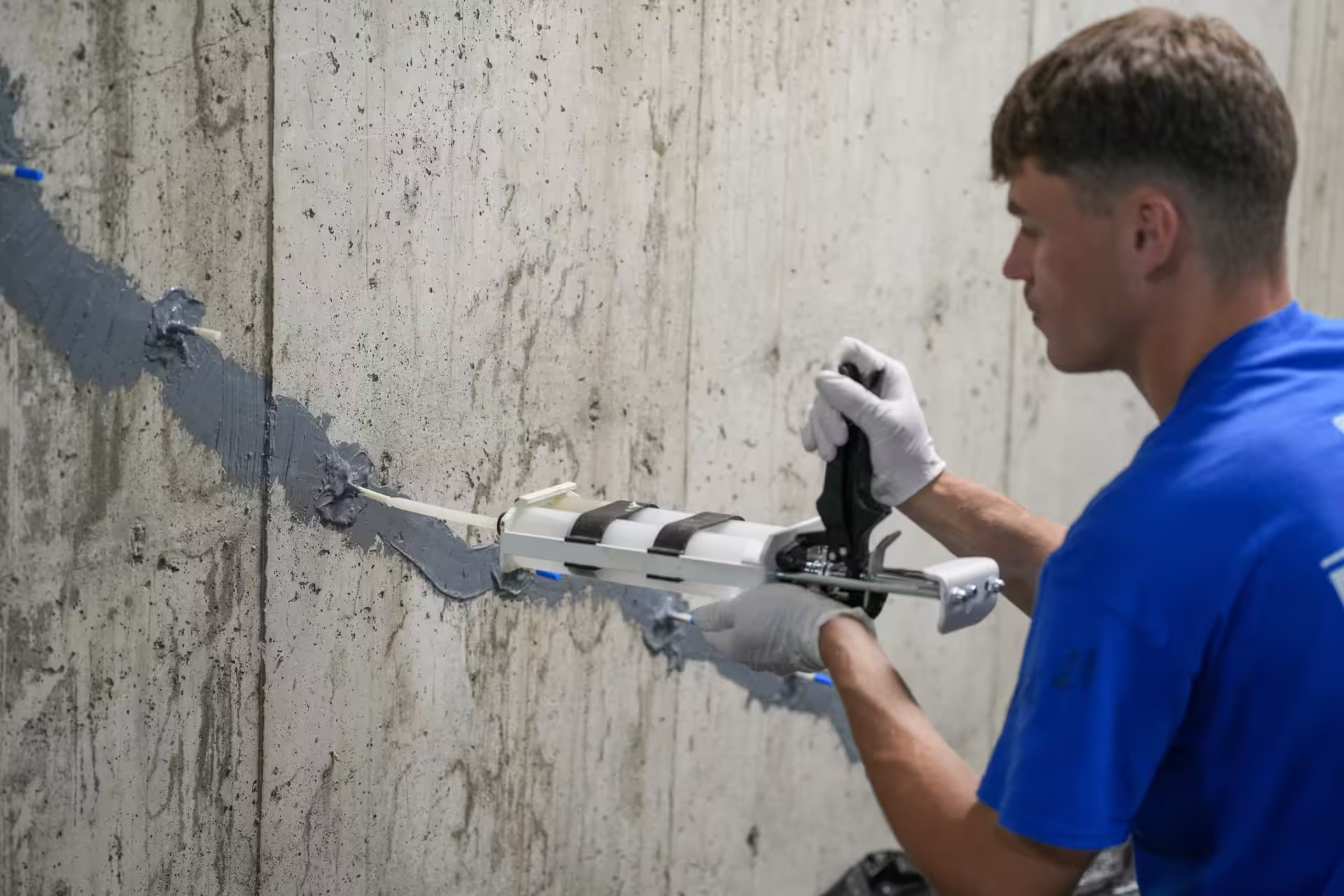
Polyurethane injection, for cracks that leak.
We set injection ports along the crack and fill it under pressure. The resin reacts with water and expands to fill the crack. It stays flexible as the house settles, so the seal can move with the wall.
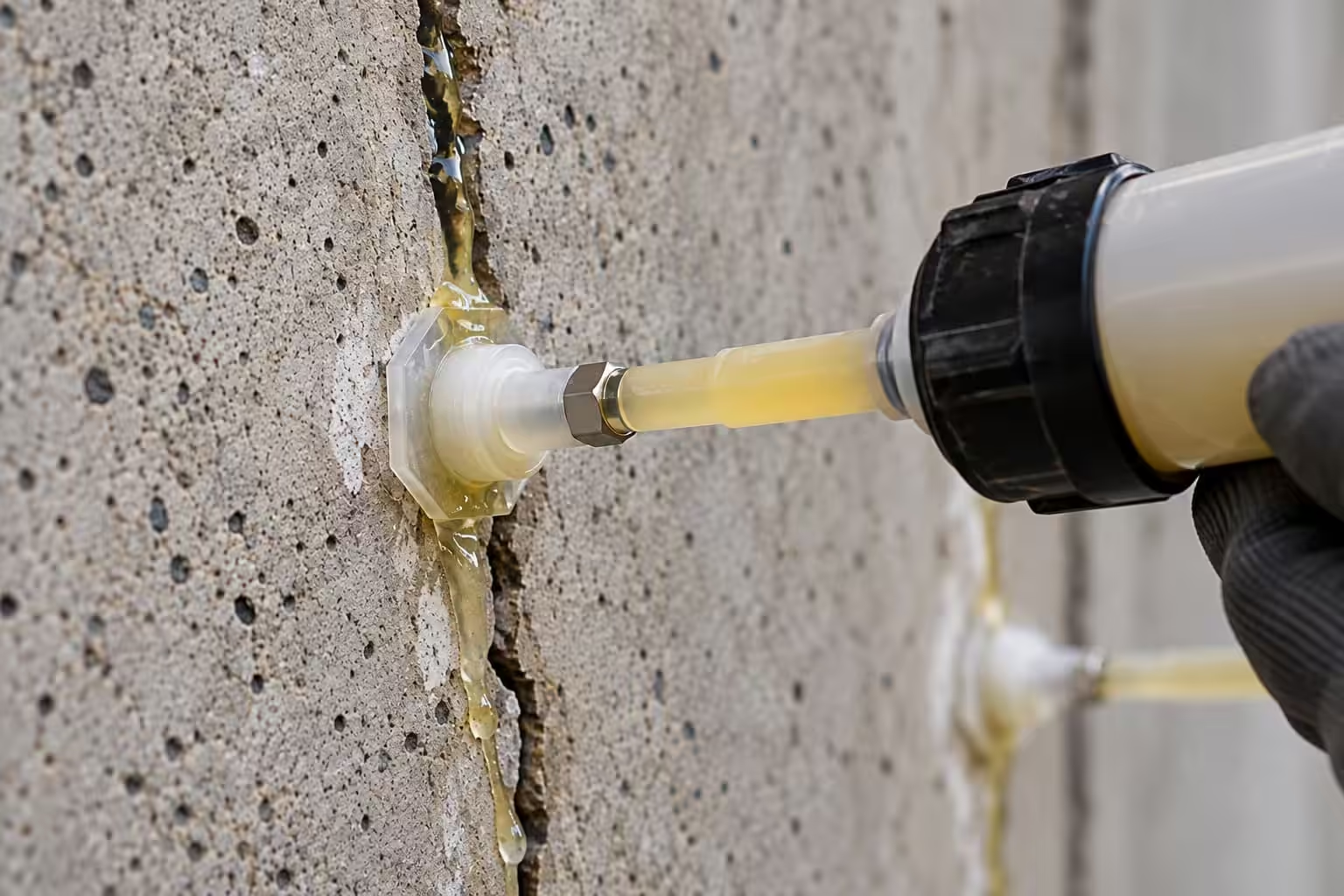
Epoxy injection, for restoring a wall's strength.
For dry, stable cracks, we inject epoxy the same way. It cures hard and bonds the concrete on both sides back together, restoring strength to the wall.
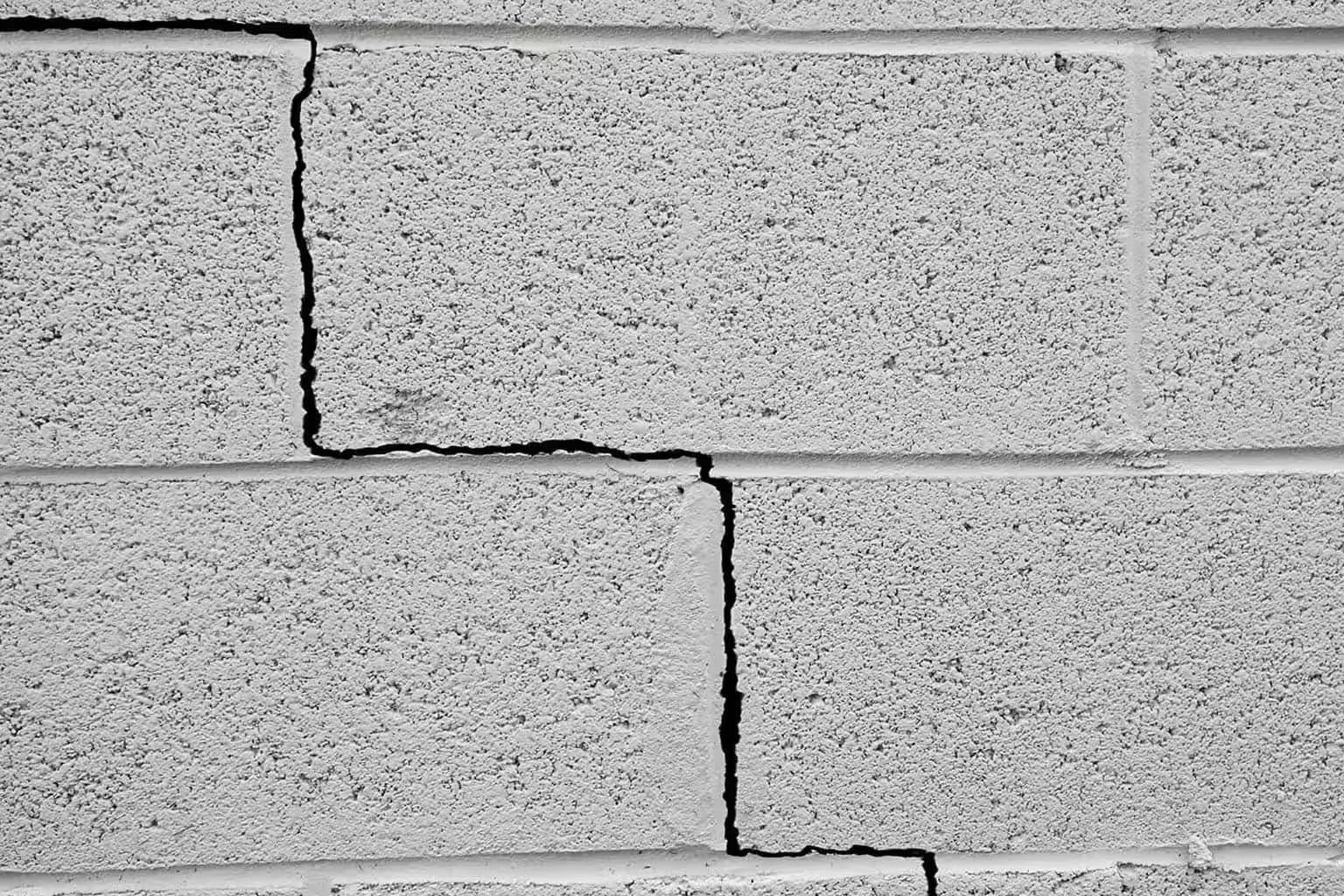
Block wall crack repair, for hollow block foundations.
Block walls are built from hollow units, so injection isn’t always the right fit. We’ll walk you through the repair that suits a block foundation during your inspection.

Wall stabilization, when a crack is a sign of movement.
Horizontal and stair-step cracks often mean the wall itself is moving. Sealing alone usually isn’t enough in that case. We’ll recommend a foundation repair system, like steel tie-backs or steel pilasters, to stop the movement first. Then we seal the crack.
What foundation crack repair costs
Honest answer: it depends on what’s behind the crack. The only way to give you a real number is to look.
Crack repair at Dwyer starts at $1,000. A single leaking crack sits at the low end. When a crack points to wall movement, the work becomes a wall stabilization project, which generally runs from $5,000 to $45,000 or more. See foundation repair for how those projects work.
Two things make this easier to plan for:
- The inspection and written estimate are free, so you’ll know your number ahead of any commitment.
- Financing is available if you’d rather spread the cost out. See financing options here.
What repair day looks like
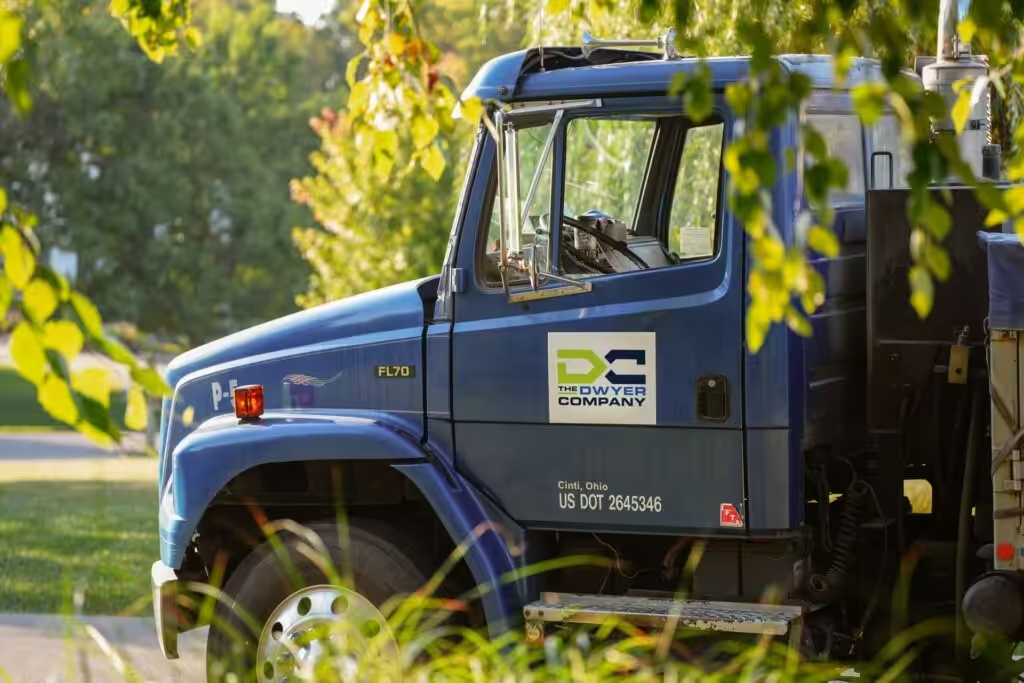
Crack injection happens from inside your basement, so there’s no digging in the yard. Most crack repairs take 4 to 8 hours and wrap up in a single day. You can stay home the whole time. Our own Dwyer crew does the work, never subcontractors.
Why homeowners here call Dwyer
-
50 years of experience in the region.
We know the freeze-thaw winters and clay hillsides that put stress on basement walls here.
-
A straight answer on your crack.
We tell you what your wall needs and what it doesn't. If a hairline crack only needs watching, that's what we'll say.
-
ICC-certified products.
The materials we install meet national safety and building-code standards.
-
Our own crews.
Every repair is done by Dwyer employees, never subcontractors.
-
Backed by our guarantee.
Dwyer stands behind our crack repair work with limited warranty coverage designed to give homeowners added peace of mind. Crack repair warranties may be transferred one time within 10 years of completion.
Why foundations crack across the region

The clay hillsides hold water and creep slowly downhill, which shows up as cracks in basement walls built into the slopes.

Much of Dayton sits over the Great Miami Buried Valley Aquifer, where a high water table presses on basement walls. Small cracks tend to start leaking in the wet months.
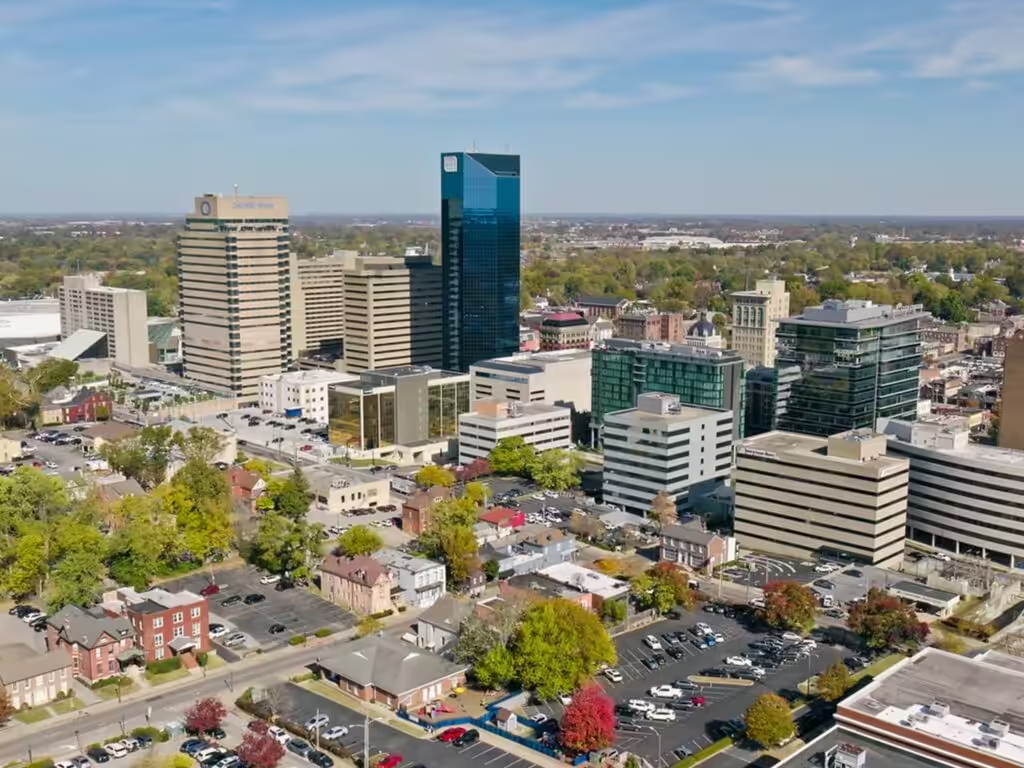
The Bluegrass sits on karst limestone, where soil can settle into underground voids and crack the foundation above. Hard rains then push water through the cracks.

In the Ohio River floodplain, the water table often sits close to the basement floor. Groundwater finds its way through any crack in the wall or floor.

Older homes in the river towns sit on steep clay hillsides, where runoff and soil pressure wear on aging basement walls.

Where the river bottoms rise into the Knobs, runoff collects against the foundations below and pushes water into any crack it finds.
Recent crack repair projects
A shifting wall with spreading cracks, sealed and held in place
The cracks kept growing as the wall moved. Here's how we stopped both.
A leaking, bowing basement wall, fixed in one visit
Leaking cracks came with bigger problems. Here's how we handled all of it.
What Your Neighbors Say
- Andy | Cincinnati, OH
Foundation crack repair FAQs
How do I know if a foundation crack is serious?
How much does foundation crack repair cost?
What's the difference between epoxy and polyurethane crack injection?
Polyurethane seals cracks that leak. It reacts with water, expands to fill the crack and stays flexible. Epoxy bonds the two sides of a dry crack back together to restore the wall’s strength. We recommend one after inspecting your crack. [CONFIRM #1]
Can you repair cracks in a block foundation wall?
Yes. Block walls are built from hollow units, so the right repair depends on what’s causing the crack. Stair-step cracks in block often point to settlement, which may call for foundation repair along with sealing. We’ll explain your options during the free inspection. [CONFIRM #2]
How long does crack repair take?
Most crack repairs take 4 to 8 hours and are done in a single day. Minor crack sealing can take 2 to 4 hours. Complex structural repairs may need a full day, depending on how many cracks we’re repairing and how severe they are.
Can I seal a foundation crack myself?
Do you offer a warranty?
Dwyer stands behind our crack repair work with limited warranty coverage designed to give homeowners added peace of mind. Crack repair warranties may be transferred one time within 10 years of completion.
What causes foundation cracks in this area?
Can you repair cracks in an older stone or brick foundation?
Many older homes in the region’s city neighborhoods sit on stone or brick foundations. These walls are built differently from poured concrete or block, so they need a different repair approach. Our team can inspect your foundation and explain the options that fit it. [CONFIRM #3]
Does repairing a crack help when I sell my home?
A repaired, warranty-backed crack is one less item on a buyer’s inspection report. In most home sales, Ohio, Kentucky and Indiana each require sellers to complete a property disclosure form. Those forms ask about structural issues and basement water. Your agent or attorney can tell you what to include. Keep your repair paperwork to share with them. [CONFIRM #5]
Schedule your free foundation crack inspection
"*" indicates required fields