

Concrete
Lifting
Let's get your concrete back to level
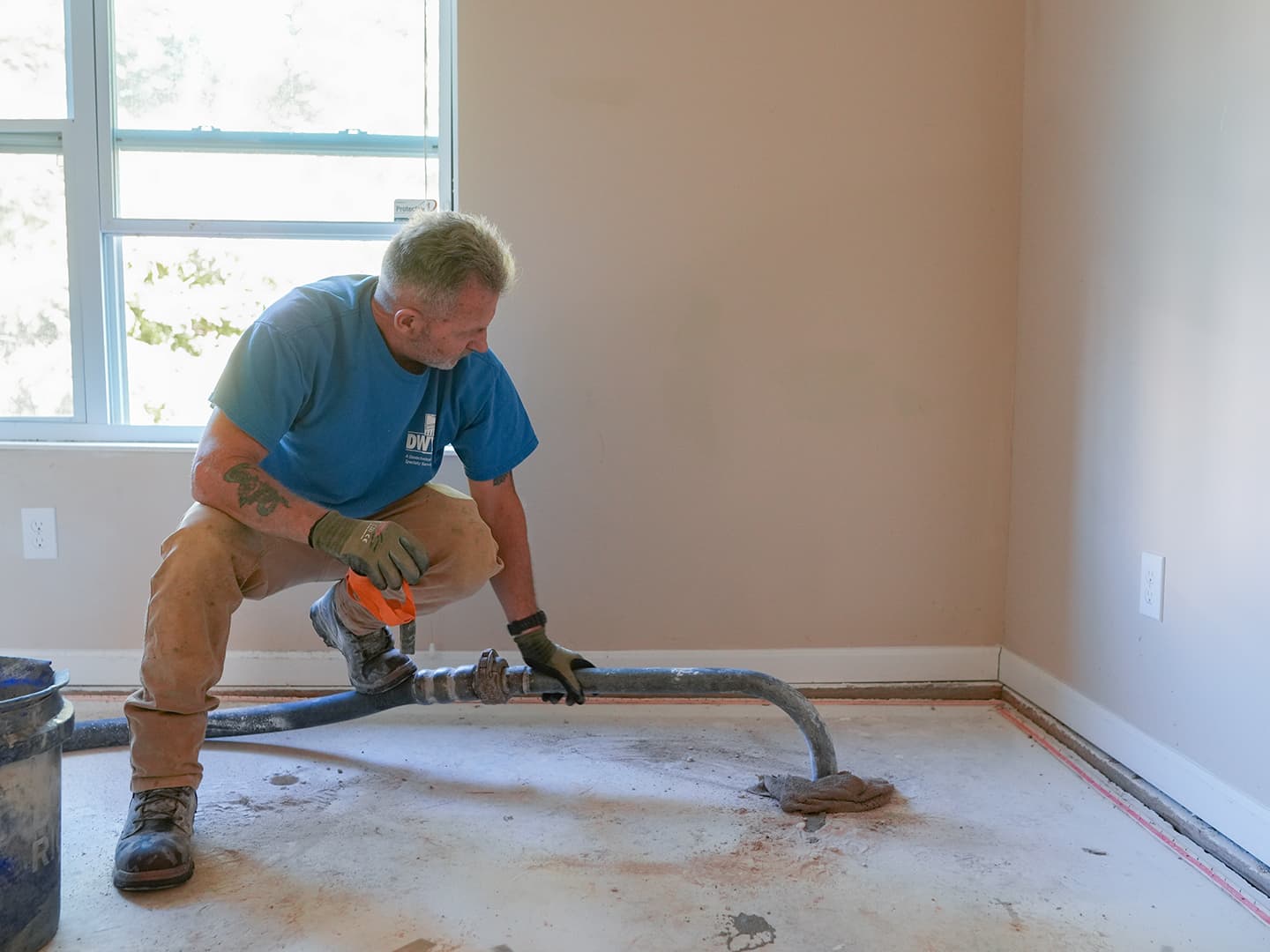
A sunken driveway or a patio that tips toward the house is frustrating to look at and tricky to walk on. Most of the time, the slab can be lifted instead of replaced. The Dwyer Company lifts and levels sunken concrete by pumping a cement-based grout underneath it, often in just a few hours. Start with a free inspection. You’ll get a clear written estimate, with no obligation and no pressure. We bring 50 years of experience to homes across Cincinnati, Dayton, Lexington, Louisville, Northern Kentucky and Southern Indiana.
Signs your concrete is sinking
- A driveway that dips or leaves a lip at the garage door
- Sidewalk or walkway sections that no longer line up
- A patio that slopes toward the house and sends rainwater toward the foundation. If water is getting into the basement, see basement waterproofing.
- A garage floor that has sunk or cracked along a joint
- A gap opening where a slab meets the house. If the house itself is moving, see foundation repair.
- Higher humidity, condensation, or mold spots in one corner
How Dwyer lifts sunken concrete
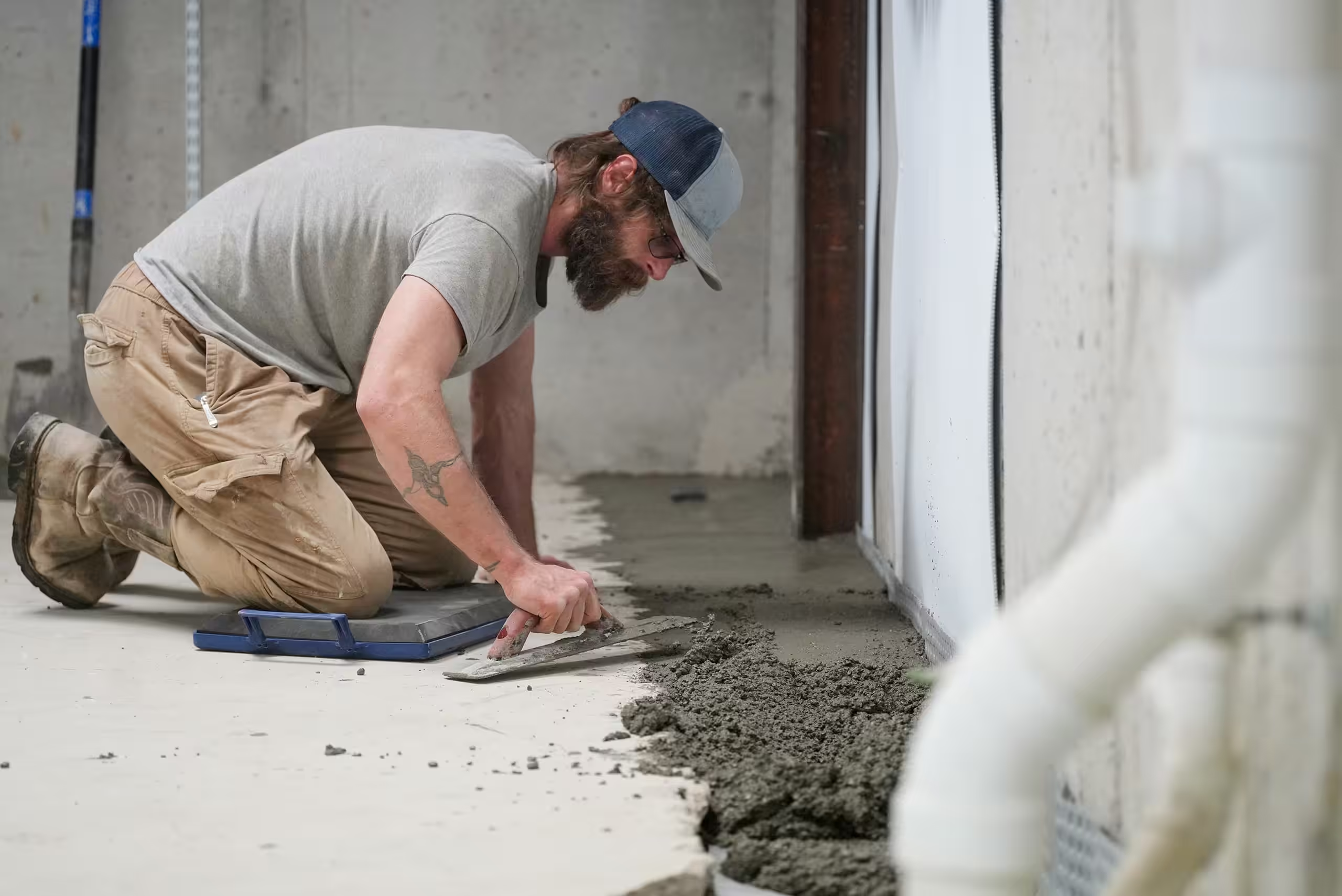
Slabjacking, for sunken driveways, patios and walks.
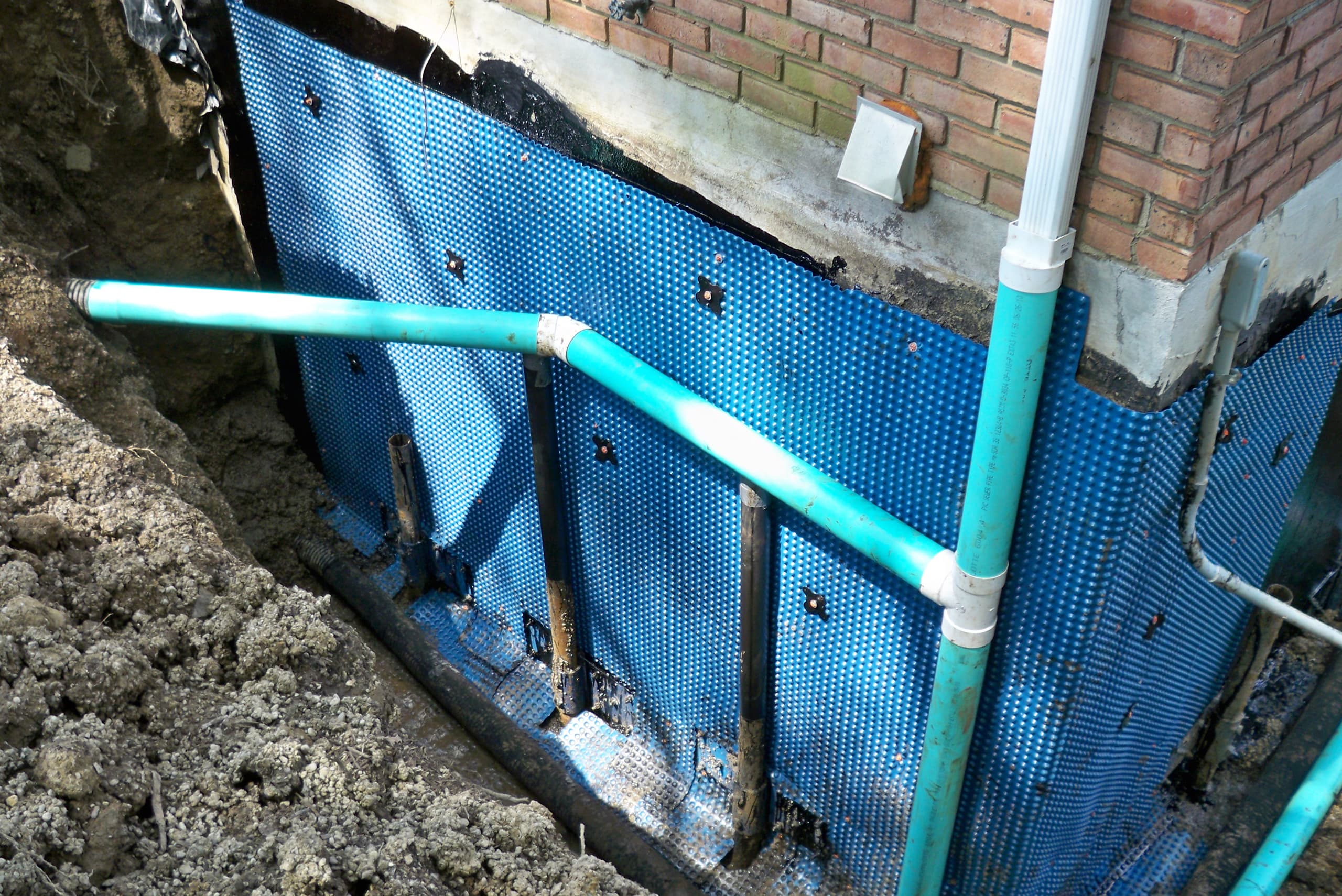
Pressure grouting, for deeper voids and soft soil.
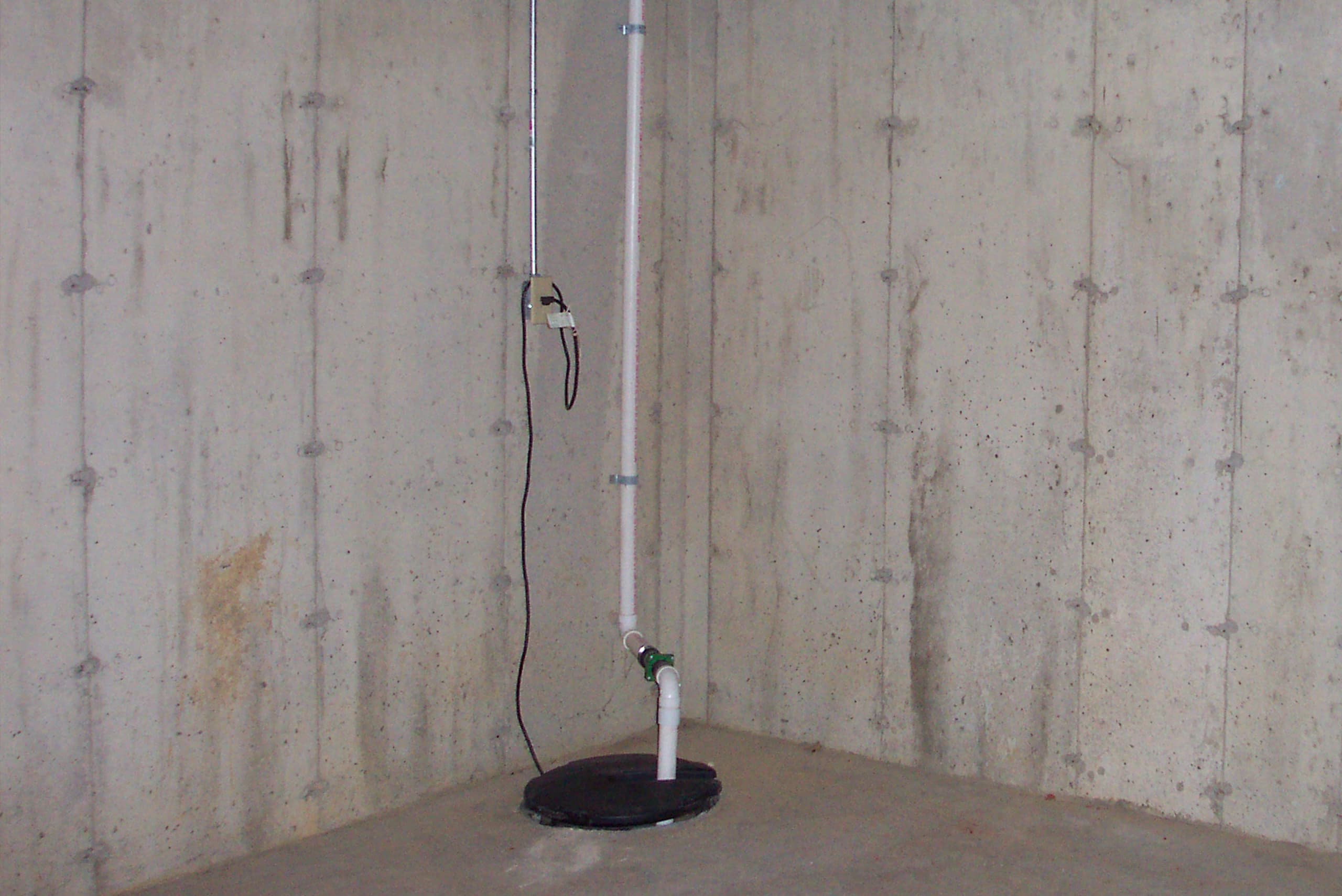
When a slab can't be lifted.
When the house is part of the problem.
A sinking garage floor or a gap where a slab meets the house can point to movement in the foundation itself. In that case, we’ll look at foundation repair first, so the slab has something stable to meet.
What concrete lifting costs
Honest answer: it depends on how much concrete has settled and how big the voids are underneath. The only way to give you a real number is to look.
For most homes, lifting costs a fraction of what tearing out and pouring new concrete would. Concrete lifting at Dwyer starts at $[amount]. Our pricing is fixed up front, so there are no surprises when the job is done.
Two things make this easier to plan for:
- The inspection and written estimate are free, so you’ll know your number ahead of any commitment.
- Financing is available if you’d rather spread the cost out. See financing options here.
What the repair does to your home and yard
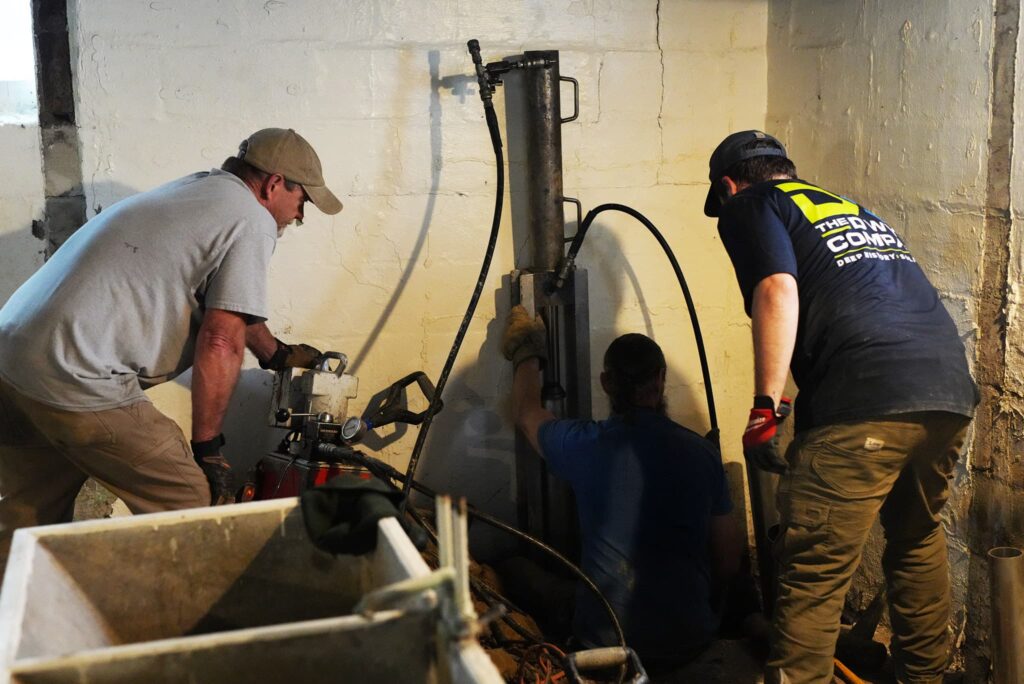
We drill small holes about 1 to 2 inches across. [CONFIRM #4] Most residential jobs need 3 to 5 of them. Our crew pumps the grout, watches the slab rise and then patches each hole. The patches may still show. They’re small and clean. Most residential projects take 2 to 6 hours. You can use the surface again [timing]. [CONFIRM #5] Our own Dwyer crew does the work, never subcontractors.
Why homeowners here call Dwyer
-
50 years of experience in the region
We know the freeze-thaw winters and clay soils that make concrete settle here.
-
A straight answer on your slab.
We tell you whether your concrete can be lifted. If replacement is the better call, that's what we'll say.
-
Fixed pricing, up front.
ou get one price in writing, with no surprises when the job is done.
-
Our own crews.
Every job is done by Dwyer employees, never subcontractors.
-
Backed by our guarantee.
Dwyer stands behind our concrete lifting work with limited warranty coverage designed to give homeowners added peace of mind. Concrete lifting warranties may be transferred one time within 10 years of completion. [CONFIRM #1]
Why concrete sinks across the region
Where your home sits has a lot to do with why its concrete settles. Here’s what tends to be behind it where you live.

The clay-filled hillsides that make Cincinnati so green also hold water and shift slowly downhill, which sends runoff and pressure toward basements built into the slopes.

Much of Dayton sits over the Great Miami Buried Valley Aquifer, so the water table runs high and rises further in the wet months when the rivers recharge it.

The Bluegrass sits on karst limestone, where water moves fast through underground cracks and can surge up toward basements after a hard rain.

Neighborhoods in the Ohio River floodplain are flat and low, so the water table often sits close to the basement floor.

The older homes in the river towns sit on the same steep, clay hillsides as Cincinnati, and their aging foundations take on a lot of slope runoff.

Where the flat river bottoms rise into the Knobs, water sheets down the hills and collects against the foundations of homes below.
Recent concrete lifting projects
A sunken driveway, level again in an hour
A 3-inch drop at the garage made every trip in and out a bump. Here's how we fixed it.
A sinking driveway, lifted back into line
Settling had cracked the driveway and left it uneven. See how we brought it back.
A settling home, lifted back toward level
Part of the house was sinking. Here’s how we brought it back.
What Your Neighbors Say
- Chuck | Cincinnati, OH
Concrete lifting FAQs
Can my concrete be lifted?
How much does concrete lifting cost?
It depends on how much concrete has settled and how big the voids are underneath. For most homes, lifting costs a fraction of replacement. Concrete lifting at Dwyer starts at $[amount]. You get a fixed, written price ahead of any decision. Financing is available too. [CONFIRM #2]
How long does concrete lifting take?
When can I drive or walk on it again?
[Timing from Dwyer.] Your crew will give you the exact timing when the job is done. [CONFIRM #5]
Is concrete lifting permanent?
What's the difference between mudjacking and polyurethane foam lifting?
Both lift a slab by filling the space underneath it. Mudjacking, also called slabjacking, pumps a cement-based grout through small holes. Polyurethane foam lifting uses a lightweight expanding foam instead. Dwyer uses cement-based grout, which lets us give you a fixed price up front. [CONFIRM #3]
Will lifting damage my concrete?
Professional concrete lifting rarely causes damage. We raise the slab gradually, then patch each hole. The patches may still show, though they’re small and clean. Cracks that were already there may look more visible afterward. They typically don’t get worse during lifting.
What surfaces can you lift?
We lift driveways, patios, sidewalks, walkways and garage floors. If you’re not sure your slab qualifies, a free inspection will tell you. [CONFIRM #6]
Why does concrete sink in this area?
Around the region, the main causes are freeze-thaw winters, clay soils that shift with the seasons and water that washes soil out from under slabs. Soil that wasn’t packed down well when a home was built can settle too. An inspection shows which of these is behind your slab.
Should I replace my concrete instead?
Do you offer a warranty?
Dwyer stands behind our concrete lifting work with limited warranty coverage designed to give homeowners added peace of mind. Concrete lifting warranties may be transferred one time within 10 years of completion. [CONFIRM #1]
Schedule your free concrete lifting inspection
"*" indicates required fields