
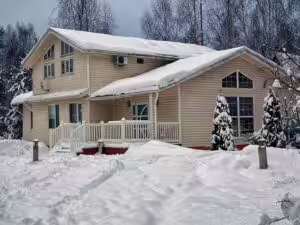
While snowy landscapes can be visually captivating, they can also herald a period of underlying stress for your home’s foundation. This phenomenon, caused by water infiltrating the soil and repeatedly freezing and thawing, can lead to significant damage if not properly addressed. In this blog post, we’ll delve into the risks of freeze-thaw cycles on residential and commercial foundations.
Understanding the Freeze-Thaw Cycle
First, water from rain or melting snow seeps into the ground around your home. As temperatures drop below freezing, the water expands, exerting pressure on your foundation. Upon thawing, the soil contracts, potentially creating gaps around the structure. This cycle of expansion and contraction can gradually undermine the integrity of your foundation, leading to cracks, fissures, and, ultimately, structural instability.
Recognizing Freeze-Thaw Damage
Identifying the early signs of freeze-thaw damage is crucial in mitigating its effects. Homeowners should be vigilant for cracks in the foundation walls or floor, bowing basement walls, doors or windows that stick or fail to close properly, uneven or sloping floors, and any gaps that might appear between walls and floors. Additionally, the presence of moisture or water in your basement or crawl space can be indicative of freeze-thaw impact.
Preventive Measures for Homeowners
Taking proactive steps can significantly reduce the risk of freeze-thaw damage to your home’s foundation.
-
Enhanced Drainage Infrastructure – Proper drainage is indispensable. Clean gutters and downspouts direct water away from your foundation, while the soil around your home should slope away to prevent water accumulation.
-
Foundation Insulation – Insulating your foundation helps maintain a more stable temperature, which can be critical in mitigating freeze-thaw cycles.
-
Seal Cracks and Gaps – Regular inspection of your foundation for any cracks or gaps is necessary. Sealing these vulnerabilities can prevent water from entering and freezing within the foundation’s structure.
-
Keep a Consistent Indoor Humidity – Maintaining a consistent interior temperature during the colder months helps to stabilize the ground temperature around your foundation.
-
Seek Professional Foundation Assessments – Periodic professional inspections are valuable for identifying potential issues early and suitable preventive measures.
Solutions for Existing Freeze-Thaw Damage
Despite best efforts to prevent damage, some homes may still fall victim to freeze-thaw cycles. When signs of damage appear, it’s essential to act promptly. Foundation repair options might include the use of carbon fiber straps or wall anchors for minor damage or foundation piers for more severe cases of settling. Additionally, waterproofing methods such as interior drainage systems and sump pumps can provide an added layer of protection against water infiltration.
Ignoring freeze-thaw damage can lead to increasingly severe and expensive repairs down the line. Early detection and repair not only save money but also preserve the structural integrity of your home. If you’re in need of home foundation repair services, you can count on The Dwyer Company, Inc. to provide top-quality solutions that stand the test of time. Call us today at (877) 399-3726 or fill out our online form for a quote.